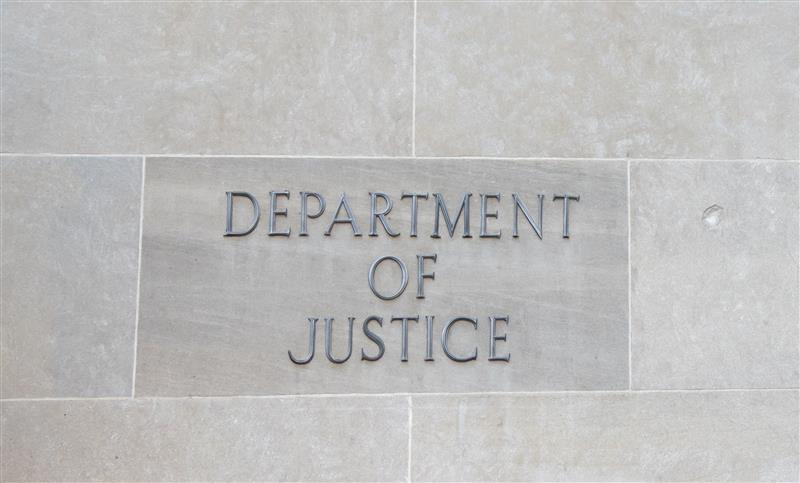
The Department of Justice (“DOJ”) recently released its 2025 statistics for federal False Claims Act cases. With settlements and judgments exceeding $6.8 billion last year, DOJ’s report shows that the False Claims Act (“FCA”) remains one of DOJ’s most potent and frequently-used investigation tools. The annual report also suggests that, after a year of change and turnover that touched virtually every corner and level of DOJ, the coming year will likely see a historically high volume of FCA cases. Contractors and grant recipients, therefore, should pay careful attention to every claim for payment or compliance certification submitted to any federal authority.

On May 19, 2025, the Department of Justice (“DOJ”) announced its Civil Rights Fraud Initiative (the “CRFI”). As discussed in our post related to that announcement, the CRFI mobilizes federal, state, and local law enforcement to investigate whether recipients of federal funds have DEI programs that violate federal civil rights laws. Multiple federal and state agencies are reportedly conducting investigations into DEI programs within corporations and institutions of higher education.

Recently, my colleague Tracey O’Brien and I examined the implications of the federal government’s intention to shut down the Office of Federal Contract Compliance Programs (OFCCP). OFCCP has already proposed to prohibit data collection by federal contractors of disability status from employees and applicants. In a Notice of Proposed Renewal of Information Collections released by

After a Senate vote on Sunday evening, Congress appears closer to ending the record-setting government shutdown. The Senate advanced a funding package that includes appropriations for military construction and calls for the reinstatement of all furloughed federal employees.

The extended duration of the October 2025 shutdown, which will soon be the longest in history, adds a new level of uncertainty and pressure for federal contractors and subcontractors. Does the shutdown excuse the government from paying invoices that come due during the shutdown? Can the government require contractors to work without payment? What relief can contractors expect for delays, cost increases, and other impacts of the shutdown? What options are available for contractors and subcontractors that are simply unable to perform without timely payment?

The Department of Transportation has issued an interim rule that makes significant changes to the eligibility rules and administration procedures used in the Disadvantaged Business Enterprise programs and Airport Concession Disadvantaged Business Enterprise program. The DBE and ACDBE programs were established to provide opportunities to small businesses owned and controlled by socially and economically disadvantaged

The Trump administration’s push to downsize the federal workforce has entered a new phase, marked by rounds of layoffs, the deferred-resignation plan, and other voluntary departure programs. As the federal government shutdown enters its second week, the administration has escalated its response by threatening sweeping program cuts and workforce reductions.

As the administration continues its

Our colleagues in Husch Blackwell’s Real Estate, Development & Construction industry group—with a notable assist from Kyle Gilster (head of our Public Policy practice) and Cortney Morgan (head of our International Trade group)—have published 2025 Project Perspectives, a 22-page report discussing trends and developments affecting alternative project delivery and public-private partnerships (P3s).

Last week, President Trump issued Executive Order 14332, Improving Oversight of Federal Grantmaking. The order imposes a new review process to realign discretionary grant awards and ensure that any future grants issued under this Administration align with the President’s policies. Here’s an overview of what grant applicants and potential recipients should be aware of before pursuing your next award.